We've opened up spots to book in-person tours!

Elementary Program
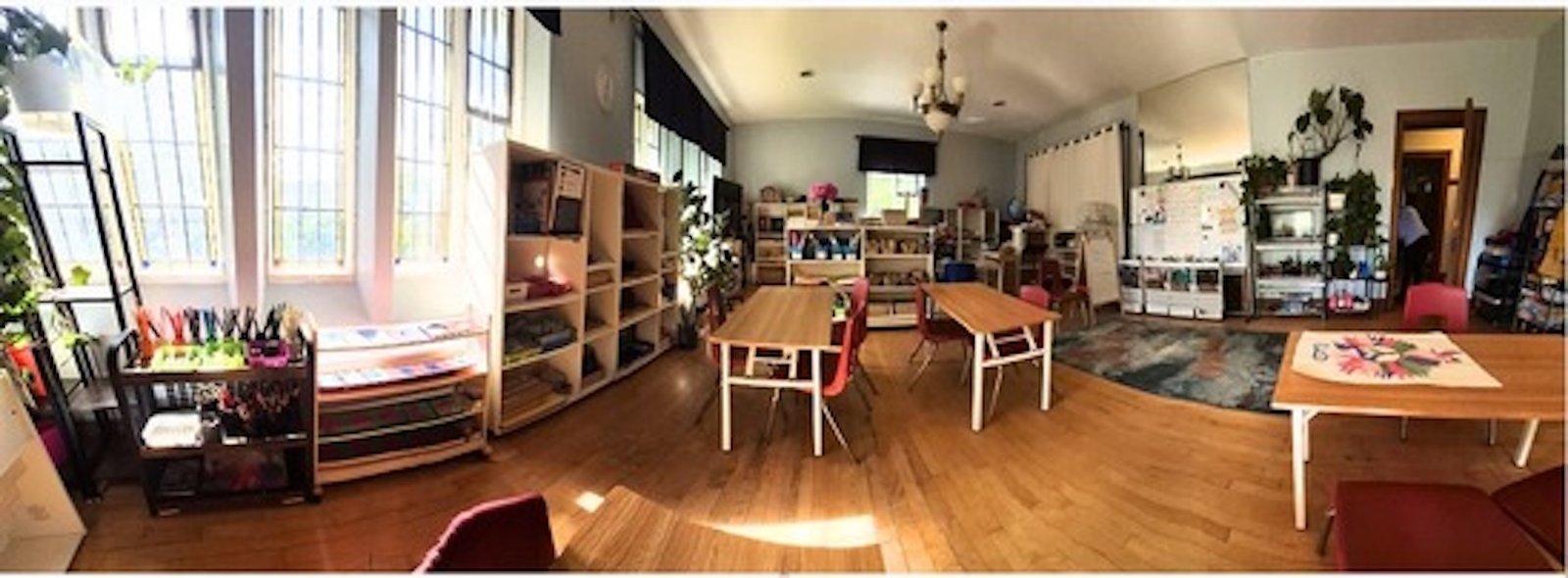
Our Elementary Classroom in Toronto welcomes children Gr.1 - 6
Montessori, elementary students don't just keep up — they lead. They make real friends. They master the basics. They walk through the door on Monday morning with a smile. We give your child the personal attention, confidence and skills to thrive— for life.
Why Montessori Education Is Different — And Why So Many Families Choose It
More Than Academics: Education for the Whole Child
Choosing an elementary school is one of the most important decisions a parent can make. While many private schools offer strong academics, Montessori education goes beyond traditional learning by nurturing the whole child — intellectually, socially, emotionally, and morally.
At Alive Montessori School, we believe children thrive when they are seen as capable, curious individuals with unique gifts, interests, and learning styles. Montessori education is designed to help children not only succeed in school, but also become independent thinkers, confident learners, and compassionate human beings.
1. Individualized Learning Instead of “One-Size-Fits-All”
In many traditional classrooms, all children are expected to move through the same curriculum at the same pace. But children are not all the same — and their education shouldn’t be either.
In a Montessori classroom, each child follows an individualized learning path based on their:
- readiness
- interests
- strengths
- pace of development
This means:
- a child who is ready for advanced work can move ahead,
- a child who needs more time can truly master a concept,
- and every child is supported without unnecessary pressure or comparison.
The result: children develop confidence, a love of learning, and a deeper understanding of what they are studying.
2. Montessori Builds Independence, Responsibility, and Self-Motivation
One of the most powerful aspects of Montessori education is the principle of “freedom within limits.”
Children are not simply told what to do every minute of the day. Instead, they are given meaningful choices within a carefully prepared environment. They learn how to:
- manage their time
- make thoughtful decisions
- complete work independently
- take responsibility for their learning
This creates something many traditional systems struggle to teach: true self-discipline.
Rather than working only for grades, rewards, or teacher approval, Montessori students begin to develop internal motivation — a skill that benefits them for life.
3. Multi-Age Classrooms Create Leadership and Community
Unlike most traditional schools that separate children strictly by age, Montessori elementary classrooms are typically organized in three-year age groups (for example, ages 6–9 and 9–12).
This creates a learning environment that feels more like a real community than a standard classroom.
In multi-age classrooms:
- younger students learn by observing older peers,
- older students strengthen their knowledge by mentoring younger children,
- and all children learn to cooperate, communicate, and respect one another.
This structure helps children develop:
- leadership
- empathy
- patience
- collaboration
- confidence
Instead of constant comparison and competition, Montessori fosters a culture of support, belonging, and shared growth.
4. Hands-On Learning Leads to Deeper Understanding
Children in the elementary years still learn best by doing, exploring, and experiencing concepts in a concrete way before moving into abstract thinking.
Montessori classrooms are filled with carefully designed learning materials that allow children to physically engage with concepts in:
- mathematics
- science
- language
- geography
- history
Rather than memorizing information just to pass a test, Montessori students are encouraged to discover, question, and truly understand.
This approach helps children:
- retain knowledge more deeply
- think critically
- solve problems creatively
- enjoy the learning process
In Montessori, learning is not passive — it is active, meaningful, and engaging.
5. Montessori Helps Children Understand the Bigger Picture
One of the most unique and beautiful aspects of Montessori elementary education is what Dr. Maria Montessori called “Cosmic Education.”
This means children are not taught subjects as isolated pieces of information. Instead, they are shown how everything is connected.
Through the famous Great Lessons, children begin to explore:
* the story of the universe
* the coming of life
* the history of humanity
* language
* mathematics
* science
* culture
* geography
This broad, interconnected curriculum inspires children to ask big questions such as:
Where do I fit in the world?
How are people, nature, and history connected?
How can I contribute positively to society?
This approach sparks a natural sense of wonder, responsibility, and purpose.
6. Social and Emotional Development Is Just as Important as Academics
Academic success matters — but so does learning how to be a kind, respectful, emotionally healthy person.
Montessori classrooms naturally support social-emotional growth because children work in a community where they must interact, collaborate, and problem-solve every day.
Children are guided in developing:
- empathy
- conflict resolution skills
- communication
- emotional awareness
- respect for others
- self-regulation
These are not “extra” skills. They are life skills — and they are essential for success both in and beyond the classroom.
Testimonials
"I envy my kid for going to a school where he can enjoy learning as much as he does. When I was his age I was dreading going to school. He misses school in the weekends."
[C.B.]
"Alive Montessori has become our second home. We love it and we highly recommend it to anyone. Our daughter finished grade one there, went to the summer camp, and she cannot wait to go to grade two. She is so happy to be at this school and this is priceless. I love the community feeling, the high quality standards of education, and the dedication that is put in everything."
[A.C.]
My wife and I couldn’t be happier that our son goes to a school that provides a safe environment and learning is fun.
[G.S.]