We've opened up spots to book in-person tours!

Blog

Montessori Education

The Montessori method of education is a system of education for children that seeks to develop natural interests and activities rather than use formal teaching methods.

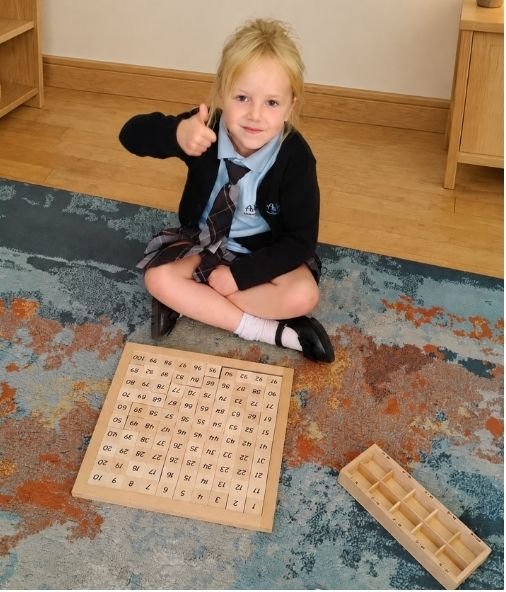
    1. 1. How children learn – Traditional schools are teacher-led with the whole class moving together; Montessori lets kids work at their own pace through hands-on activities, with teachers guiding rather than lecturing.
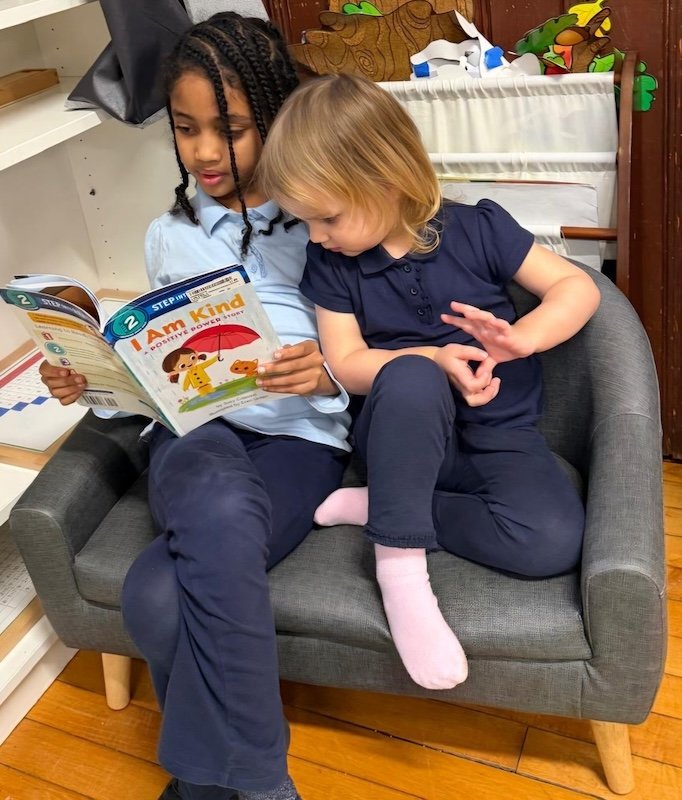
    2. 2. Classroom structure – Traditional classrooms are single-age/single-grade; Montessori classrooms mix ages (e.g., Grades 1–3 together), letting kids teach/learn from each other and progress by readiness rather than grade level.
    3. 3. Independence and self-direction – Framed as the biggest cultural difference: traditional classrooms are teacher-directed, while Montessori students make real choices about their work, building self-management skills.
    4. 4. Academics (the "behind or ahead" worry) – Directly addresses a common parent concern, arguing Montessori kids aren't behind and are often ahead in math/language due to deep understanding over memorization. 

  • There is a perception that as the Montessori approach encourages independent work cycles, children in a Montessori classroom do not interact with each other, thus resulting in a lack of social interaction which can have a negative impact upon the child’s development. Nevertheless, while Montessori does respect the fact that each child is unique and has different areas of interests, hence the children are allowed to choose their own materials and a classroom is not expected to have children who will do the same activity at the same time, there are different ways in which social interaction is met daily.


  • The most important part of a Montessori classroom will always be the children, nevertheless, the Montessori guide has a crucial role in this environment as it is this adult who has the immense responsibility of guiding them and helping them to achieve their full potential. This article will focus on five roles of a Montessori guide and their intertwining. 


The Montessori method of education is a system of education for children that seeks to develop natural interests and activities rather than use formal teaching methods.